

Iridology
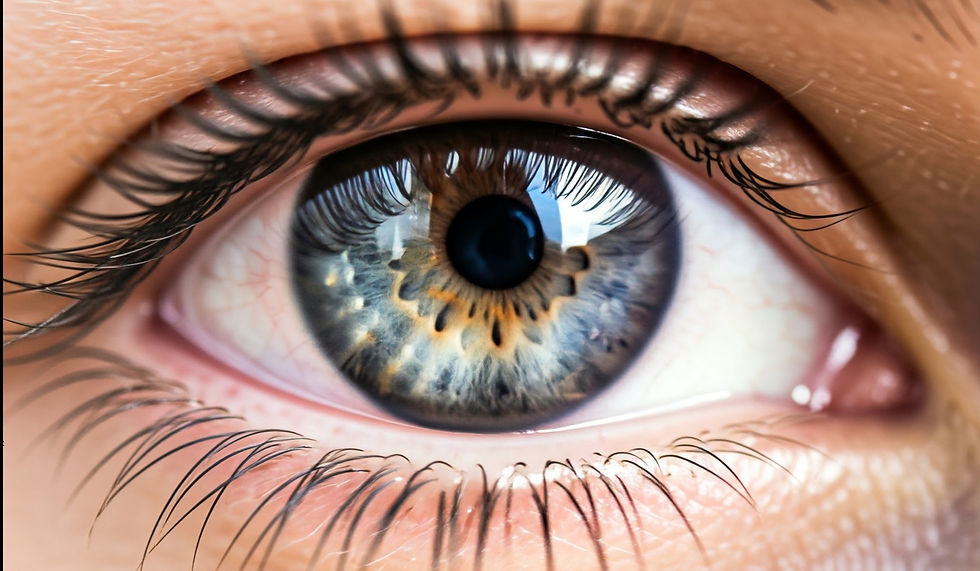
Iridology is the study of health through observation of the colour, structure and markings of the iris. The iris is the coloured part of the eye that surrounds the pupil.
Through numerous nerve reflex connections, the iris is believed to reflect information about the health and integrity of tissues throughout the body. In this way, the iris is often considered a map of the body.
Like fingerprints, no two irises are alike. By studying the colour and structure of the iris, constitutional strengths and weaknesses, personality traits and behavioural characteristics may be observed.
Iridology is primarily used as a tool for understanding the constitutional strengths and challenges inherited from our mother, father, grandparents and great grandparents. In this way, we gain insight into the gifts and vulnerabilities we are born with, which may or may not be expressed depending on lifestyle, diet, environment and psycho-social influences throughout life.
"The Eyes are the Windows to the Soul"
- Traditional Proverb

History of Iridology
Observation of the eyes as part of health assessment has existed for centuries; however, modern iridology emerged during the nineteenth century through the work of Dr Ignaz von Peczely and Nils Liljequist.
According to the traditional story, Dr von Peczely was about ten years old when he captured an owl in his family's garden. During the owl's attempt to escape, its leg became injured. He noticed that a mark immediately appeared in the owl's iris in the area now associated with the leg. This observation sparked a lifelong interest in the relationship between markings in the iris and different parts of the body.
Around the same time, Nils Liljequist observed changes within his own iris and began documenting relationships between iris markings and substances absorbed by the body. Their observations laid the foundations for the development of modern iridology.
Since then, many practitioners throughout Europe, America and Australia have contributed to the evolution of the field.
My Studies in Iridology
I have trained in both Integrative Iridology and Rayid Iridology and continue to study the work of authors including Bernard Jensen and Dorothy Hall.
Integrative Iridology focuses primarily on the physical constitution, inherited strengths and weaknesses, and the body's potential predispositions. It is often used to identify constitutional patterns and areas that may benefit from support through nutrition, lifestyle and natural medicine.
Rayid Iridology, developed by Denny Johnson, explores the relationship between iris structures and the ways we experience and interact with the world. It offers insight into personality, communication styles, relationship dynamics, behavioural tendencies, and the unique gifts and challenges each individual brings to life.
Together, these approaches provide a broader understanding of both constitution and character, helping to reveal patterns that contribute to our health, relationships and personal growth.